


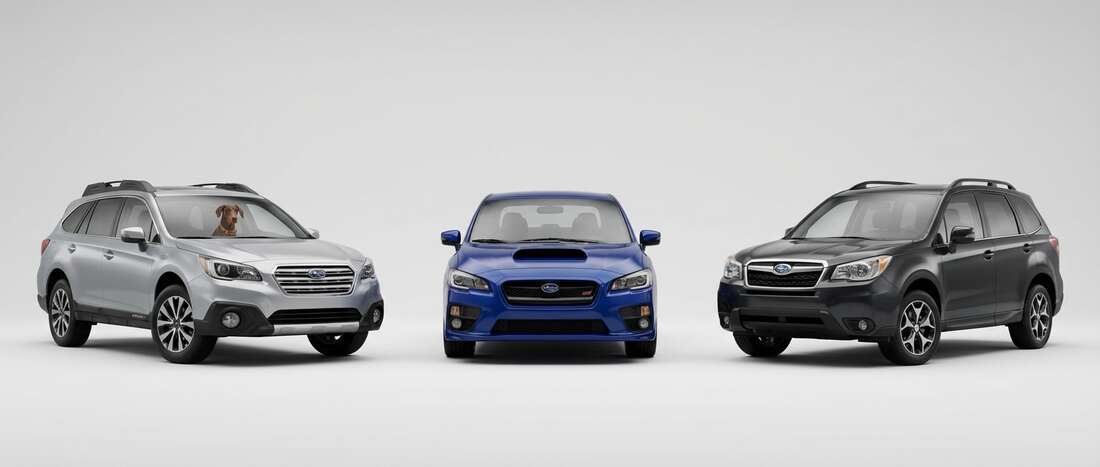
1999 Subaru Touch Up Paint (22 OEM Colors)
Search for your color
-
Pure or Aspen White
SubaruCOLOR CODE51E -
Pure or Aspen White 🔥 2 sold recently -
Slate Gray Metallic
SubaruCOLOR CODE49B -
Slate Gray Metallic 🔥 1 sold recently -

Black Granite
SubaruCOLOR CODE54A -
Black Granite 🔥 1 sold recently -

Green Metallic
SubaruCOLOR CODE64C -
Green Metallic 🔥 1 sold recently -

Red Mica Pearl
SubaruCOLOR CODE82F -
Red Mica Pearl 🔥 1 sold recently -
Glacier White
SubaruCOLOR CODE230 -
Glacier White 🔥 1 sold recently -

Dark Blue Pearl
SubaruCOLOR CODE466 -
Dark Blue Pearl 🔥 1 sold recently -
Brilliant Red
SubaruCOLOR CODE559 -
Brilliant Red 🔥 1 sold recently -
Royal Silver Metallic
SubaruCOLOR CODE792 -
Royal Silver Metallic 🔥 1 sold recently -
Maroon
SubaruCOLOR CODE8V3 -
Maroon -

Black Mica Pearl
SubaruCOLOR CODE47A -
Black Mica Pearl -

Dark Blue Pearl
SubaruCOLOR CODE52D -
Dark Blue Pearl -
Cool Gray Metallic
SubaruCOLOR CODE55D -
Cool Gray Metallic -

New 555 Blue Mica Pearl
SubaruCOLOR CODE74F -
New 555 Blue Mica Pearl -
Fawn Metallic
SubaruCOLOR CODE076 -
Fawn Metallic -

Violet Metallic
SubaruCOLOR CODE81N -
Violet Metallic

For small chips & scratches
Customized Color Paint Pen
Repair tiny chips and scratches with precision. Perfect for small nicks from rocks or door dings, the fine tip applicator makes it easy for beginners to achieve a clean, factory-quality finish.

For Medium-sized Chips & Scratches
Customized Color Paint Bottle
Tackle medium-sized scratches and chips with our Customized Color Paint Bottle. The built-in applicator brush provides smooth, controlled coverage, while the included basecoat delivers a perfect factory match in your custom paint color.

For larger areas & panel resprays
Customized Color Spray Can
Cover larger areas with a smooth, professional finish using ourcustomized color Spray Can. Designed for hoods, fenders, and larger scratches, this product provides consistent spray coverage and factory-matched color accuracy.

For large repairs & total resprays
Customized Color Professional Size Paint
When your repair job calls for more than a touch-up, step up to our professional-size automotive paints. Available in Pint, Quart, or Gallon sizes, these paints are ready-to-spray using an airless spray gun.

For small chips & scratches
Customized Color Tricoat Paint Pens
Repair tiny chips and scratches with precision. Perfect for small nicks from rocks or door dings, the fine tip applicator makes it easy for beginners to achieve a clean, factory-quality finish. Each order includes a basecoat and a midcoat pen.

For Medium-sized Chips & Scratches
Customized Color Tricoat Paint Bottles
Tackle medium-sized scratches and chips with our Customized Color Paint Bottles. The built-in applicator brush provides smooth, controlled coverage, while the basecoat & midcoat deliver a perfect factory match in your custom paint color.

For larger areas & panel resprays
Customized Color Tricoat Spray Cans
Cover larger areas with a smooth, professional finish using our customized color basecoat & midcoat Spray Cans. Designed for hoods, fenders, and larger scratches, this product provides consistent spray coverage and factory-matched color accuracy.
For large repairs & total resprays
Customized Color Tricoat Professional Size Paint
When your repair job calls for more than a touch-up, step up to our professional-size automotive paints. Available in Pint, Quart, or Gallon sizes, these paints are ready-to-spray using an airless spray gun. Each order includes a basecoat & a midcoat paint.
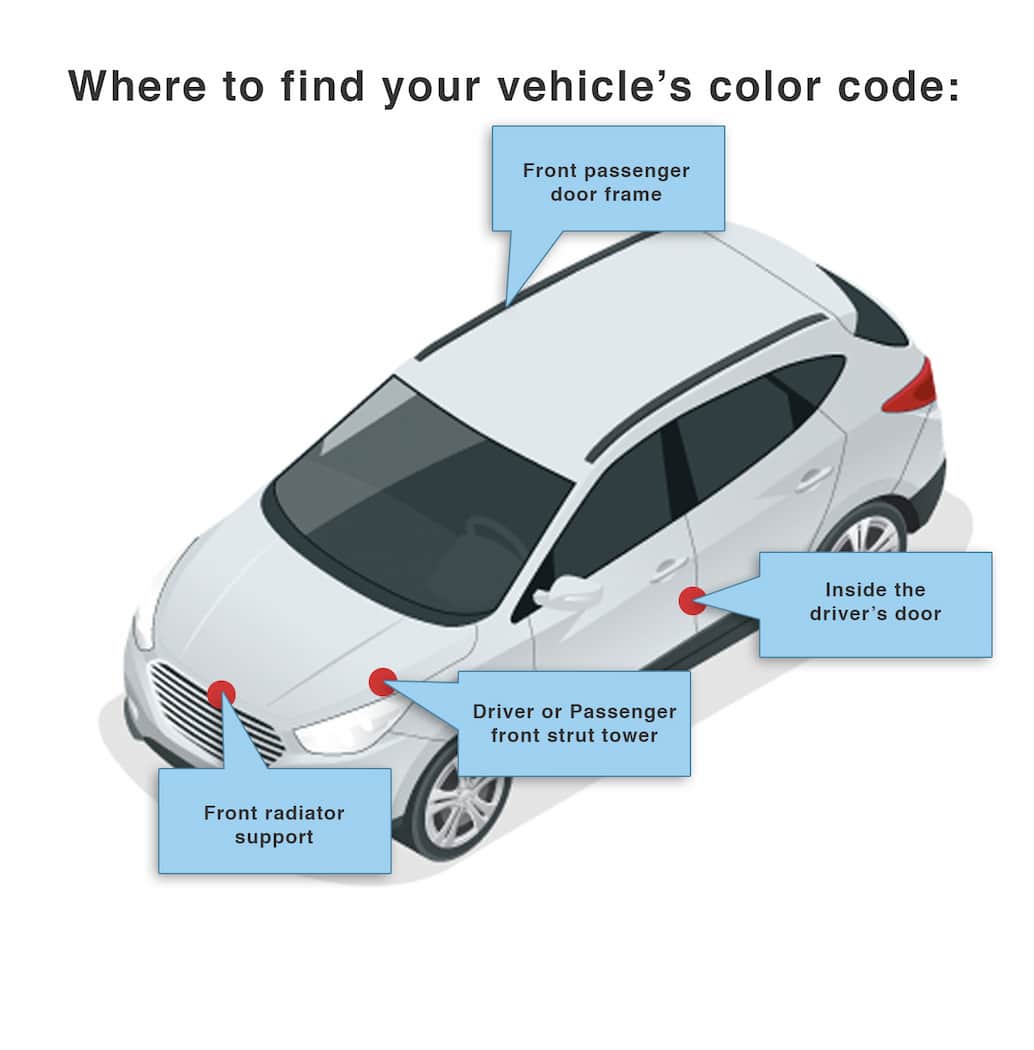
Find Your 1999 Subaru Paint Code
The color plate may be on top of the drivers side strut; in recent years it is in the driver or passenger side door jambs. Typical Subaru paint codes are three digits long and composed of numbers and letters. For two tone cars a code like "3M6" appears: "Two Tone Color Combination 3M6 Atlantic Blue Pearl 33A Granite Gray Opal Clearcoat 35S". The color code matters since the same paint can have different names across models.